 Hoffman Water
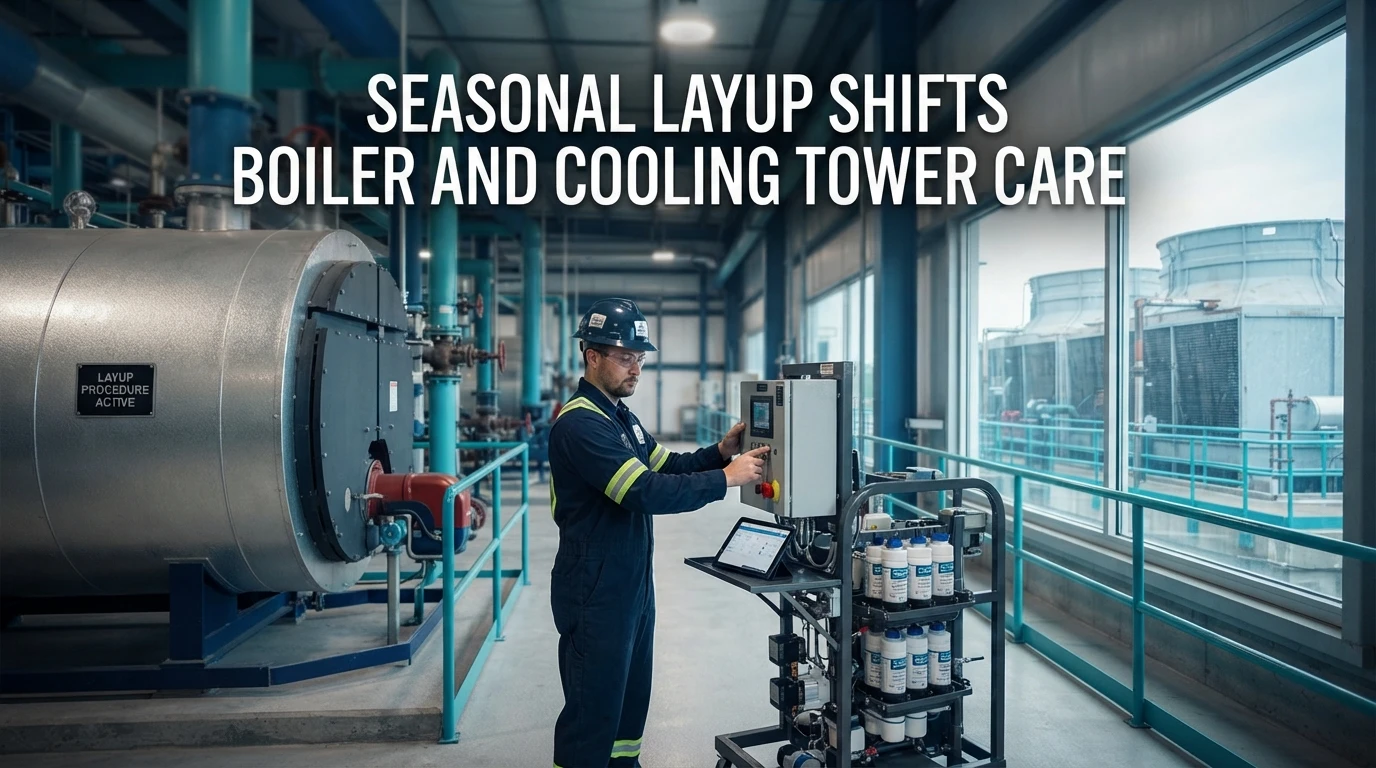
Quick Summary: Seasonal layup requires documented protection, not simply draining and leaving boilers and cooling towers idle. Wet layup suits short shutdowns, while dry layup protects longer outages and freeze-prone spaces; cooling towers also need winterization and a startup sequence that flushes stagnant water, doses biocide, and tests chemistry. Hoffman Water supports Ohio facilities with engineer-led plans designed around seasonal load shifts, helping reduce oxygen pitting, fouling, Legionella risk, and costly repairs.
Every fall, Ohio plants hit the same narrow window: cooling towers wind down just as boilers take the load, and both sit vulnerable at once. Idle piping fills with cold, oxygen-rich water that no active program protects, so layup corrosion starts at the handoff, not the freeze. Facilities that drain and walk away find pitting and high iron at startup. Good boiler and cooling tower seasonal layup practice now moves protection earlier and treats startup chemistry as part of the plan. Hoffman Water's engineers run this work on site across Ohio.
What Changed in Boiler and Cooling Tower Layup Practices
From Drain and Walk Away to a Documented Shutdown
The biggest shift: seasonal layup is no longer "drain it and hope." Plants now follow a documented boiler layup procedure, choosing wet layup with oxygen scavenging or dry layup with a vapor-phase inhibitor, and they log every step. Cooling towers get a winterization checklist that covers freeze protection, heat tracing, and biocide dosing, because a stale system waiting for spring is a Legionella risk on startup. Insurers and auditors increasingly ask for those records, too.
Here's what that looks like in practice:
- Boilers: test nitrite and sulfite levels during wet layup; dry layup needs desiccant checks every few months.
- Cooling towers: clean basins, drain exposed lines, and protect fills before the first hard freeze.
- Both: film-forming corrosion inhibitor programs now replace the old pass-and-forget chemistry.
If your boiler and cooling tower seasonal layup plan still lives in someone's head, a local specialist in cooling tower maintenance can turn it into a written, engineer-reviewed routine.
The Boiler Side of the Handoff
When the cooling tower shuts down for winter, your boiler often picks up the load. That seasonal shift is where a clear boiler layup procedure matters. Choose the wrong layup method and you invite oxygen pitting while the unit sits idle.
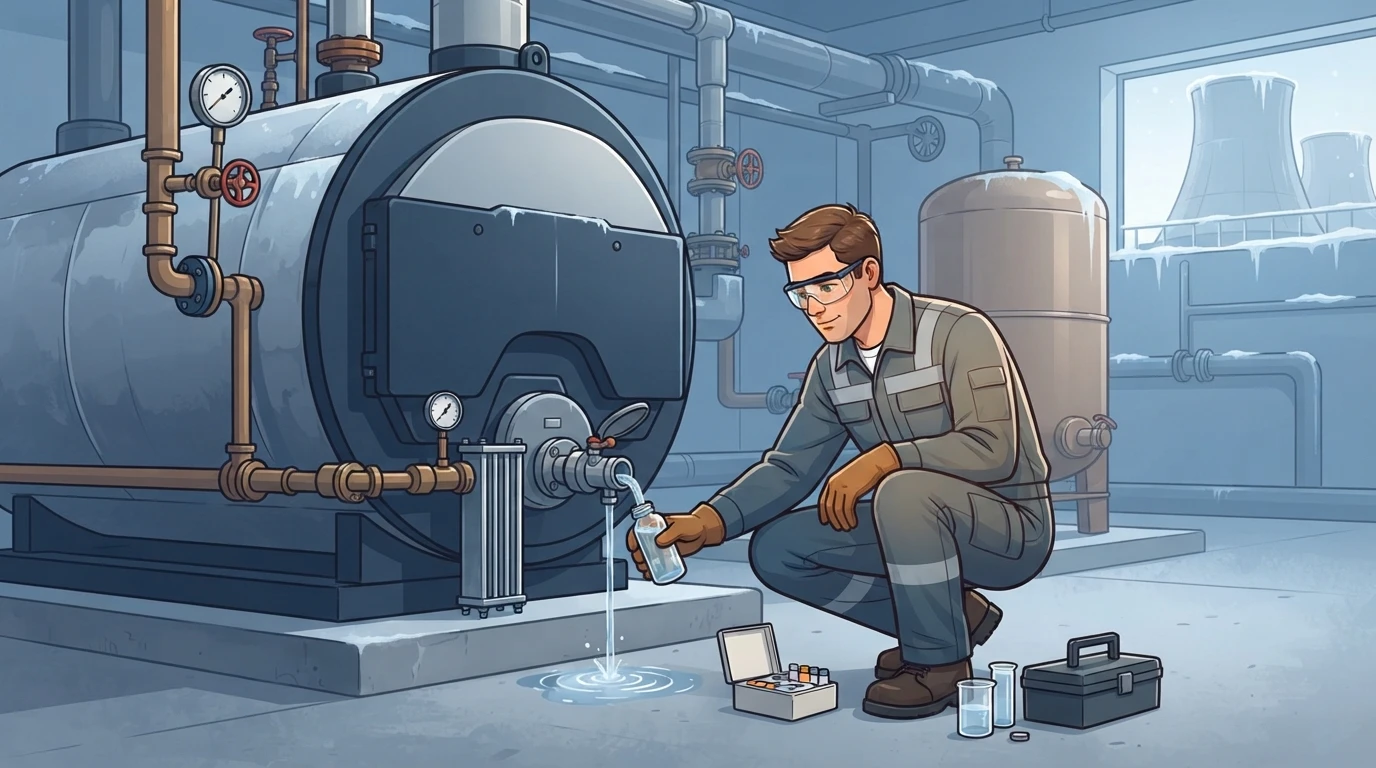
Wet Layup Versus Dry Layup
The difference is simple: wet layup keeps the boiler completely filled with treated water, while dry layup drains it and protects the metal with desiccant or nitrogen.
| Factor | Wet Layup | Dry Layup |
|---|---|---|
| How it works | Boiler stays full of chemically treated water | Boiler drained, dried, sealed with desiccant or nitrogen |
| Corrosion protection | Oxygen scavenger plus sulfite or amine treatment | Vapor-phase inhibitor absorbs moisture |
| Best for | Short shutdowns, quick return to service | Long outages, freeze-risk rooms |
| Main risk | Water quality drift, freezing | Rechecking desiccant over months |
| Startup effort | Fast, minimal flushing | Refill and boil-out first |
Use wet layup for weeks-long downtime and dry layup for months. Test wet-layup water monthly and keep sulfite levels steady. For freeze-prone Ohio mechanical rooms, dry layup avoids burst-tube damage. An engineer-led industrial water treatment service can set the right chemistry before you close the valves.
Cooling Tower Startup Is Where Layup Costs Show Up
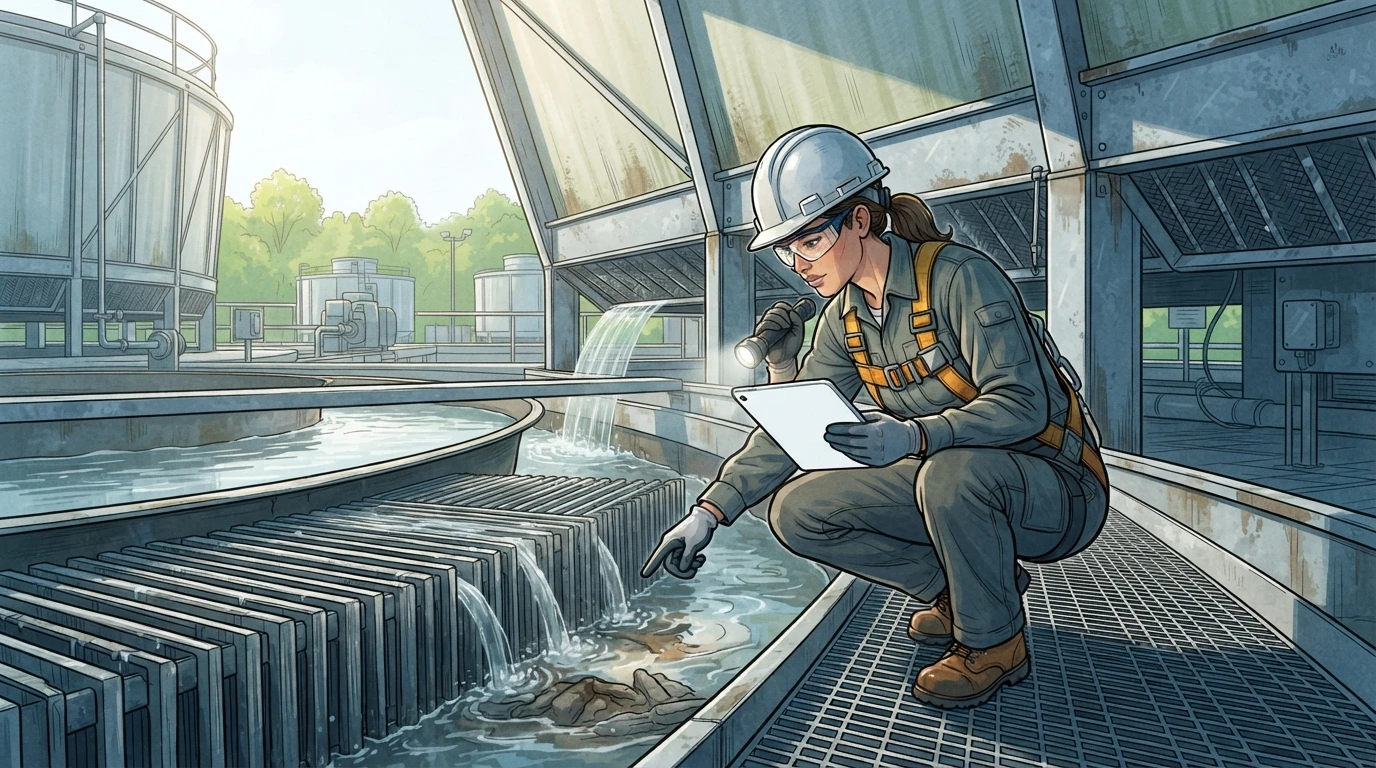
A Startup Sequence That Protects the Investment
Bad layup decisions surface at startup: fouled fill, under-deposit corrosion, and bacterial growth that carries Legionella risk. A solid cooling tower startup checklist should include these steps:
- Inspect fill, drift eliminators, and the basin
- Flush stagnant water and sediment
- Verify fan, pump, and valve operation
- Pre-treat fill and recirculation water with a biocide
- Test and set inhibitor and dispersant levels
- Log baseline water chemistry
Work through them in order, not on instinct. Skip the flush and you dose into dirty water. Skip the biocide and you dose into bacteria. Engineer-led startups catch what a checklist misses, which is why Ohio facilities lean on services like cooling tower maintenance providers for on-site verification.
How We Got Here, and What It Costs to Skip It
Corrosion during seasonal shutdown happens because water left in idle boilers and cooling towers keeps contacting metal while dissolved oxygen and bacteria go to work. Empty systems fare no better; humid air pits bare steel surfaces. Within weeks, oxygen pitting and fouling set the stage for tube leaks, scale, and Legionella risk on restart.
Skimping on layup is expensive. Pitted tubes, early retubes, and unplanned downtime cost far more than the chemistry that prevents them. Layup shifts with the seasons: wet layup and dry layup each fit a different shutdown length and season, so matching the method matters. Ohio facilities that plan this work with engineer-led help, such as boiler water treatment specialists, avoid most of those repairs. The rest of this article walks through both paths.
Layup seasons change fast in Ohio. Hoffman Water builds your boiler and cooling tower plan around each shift, on-site and engineer-led.
Frequently Asked Questions
Q1: What changed in boiler and cooling tower layup practices?
Plants moved from draining and walking away to documented wet or dry layup, with logged chemistry checks and film-forming inhibitor programs.
Q2: Should I use wet layup or dry layup?
Use wet layup for shutdowns of a few weeks and dry layup for months, especially in freeze-prone rooms.
Q3: When should cooling tower startup checks happen?
Before the first spring load. Flush the basin, dose biocide early, and test chemistry before fans run.
Conclusion
Seasonal layup now means documented wet or dry layup, a cooling tower winterization checklist, and a startup sequence that flushes, doses, and tests before load. Match the method to your shutdown length, log every step, and your boiler and cooling tower seasonal layup will pay for itself at startup.