 Hoffman Water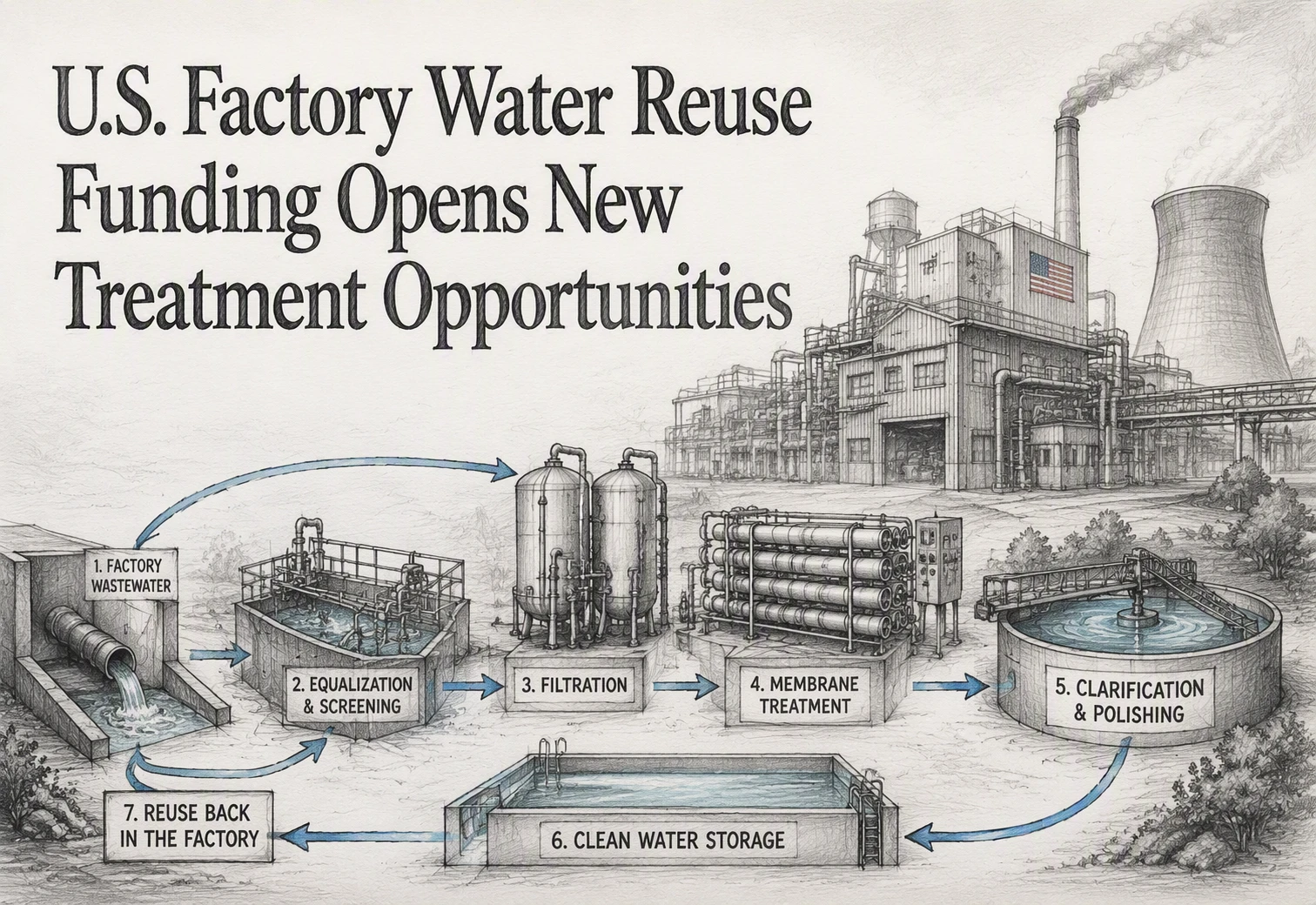
Quick Summary: The U.S. Department of Energy just opened a $12 million funding opportunity for factories to test onsite water reuse-focusing on cooling, process, and rinse water-with deadlines in September and November 2026. Projects must target a specific, high-value reuse loop (like treating rinse water for cooling towers) and prove scalability, not just broad plant-wide goals. EPA’s Clean Water State Revolving Fund can later help scale pilots into permanent systems, but state rules and public partnerships often apply. Rural facilities might tap USDA programs, though most require a nonprofit or government lead.
DOE's National Alliance for Water Innovation opened a $12 million call for onsite industrial water reuse. Concept papers close September 15, 2026, with full proposals due November 24. It covers cooling, process, rinse, and treated wastewater at major plants. Industrial water reuse funding depends on project stage, ownership, and end use. This guide maps federal routes and helps teams prepare a strong industrial water reuse case.
DOE Opens a $12 Million Path for Onsite Industrial Water Reuse
What the NAWI Solicitation Covers
DOE and NAWI are offering $12 million for onsite reuse pilots and demonstrations. The NAWI industrial reuse RFP targets:
- Cooling water
- Process and rinse water
- Wastewater treatment effluent
Projects can reuse water in one process, upgrade it for another process, or share it with an adjoining facility.
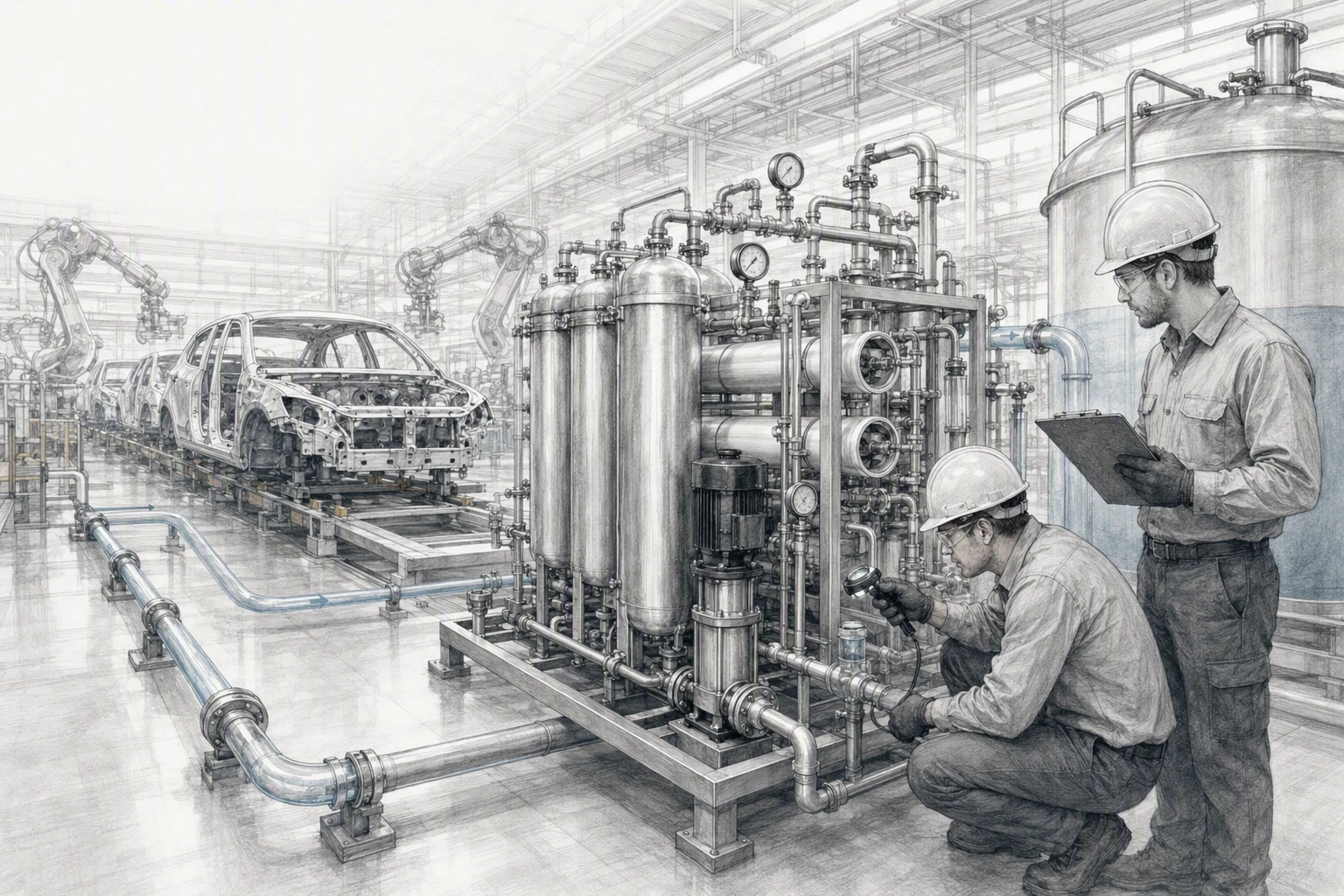
Focus on a defined, high-value reuse loop, not a broad plant-wide wish list.
| Best fit | Example |
|---|---|
| Process upgrade | Treat rinse water for cooling tower makeup |
| Onsite loop | Reuse blowdown within one unit process |
Deadlines and Applicant Positioning
Submit a concept paper by September 15, 2026, at 5 p.m. PT. Full proposals are due November 24, 2026, at 5 p.m. PT.
- Map flow, quality, and cost data.
- Define the reuse end use.
- Show how the pilot can scale.
Also Read: Boiler Water Treatment Services in Ohio | Hoffman Water
EPA Financing Can Support Reuse Infrastructure Beyond the Pilot Stage
Clean Water State Revolving Fund
The Clean Water State Revolving Fund can help move an onsite reuse system from pilot to permanent asset. EPA lists collection and treatment systems, reuse equipment, and distribution lines as eligible CWSRF reuse investments. State rules set the real path, so involve the state SRF office early.
- Define the discharge or water-quality benefit.
- Document flow, reuse demand, and capital scope.
- Check whether a public partner or pass-through structure is needed.
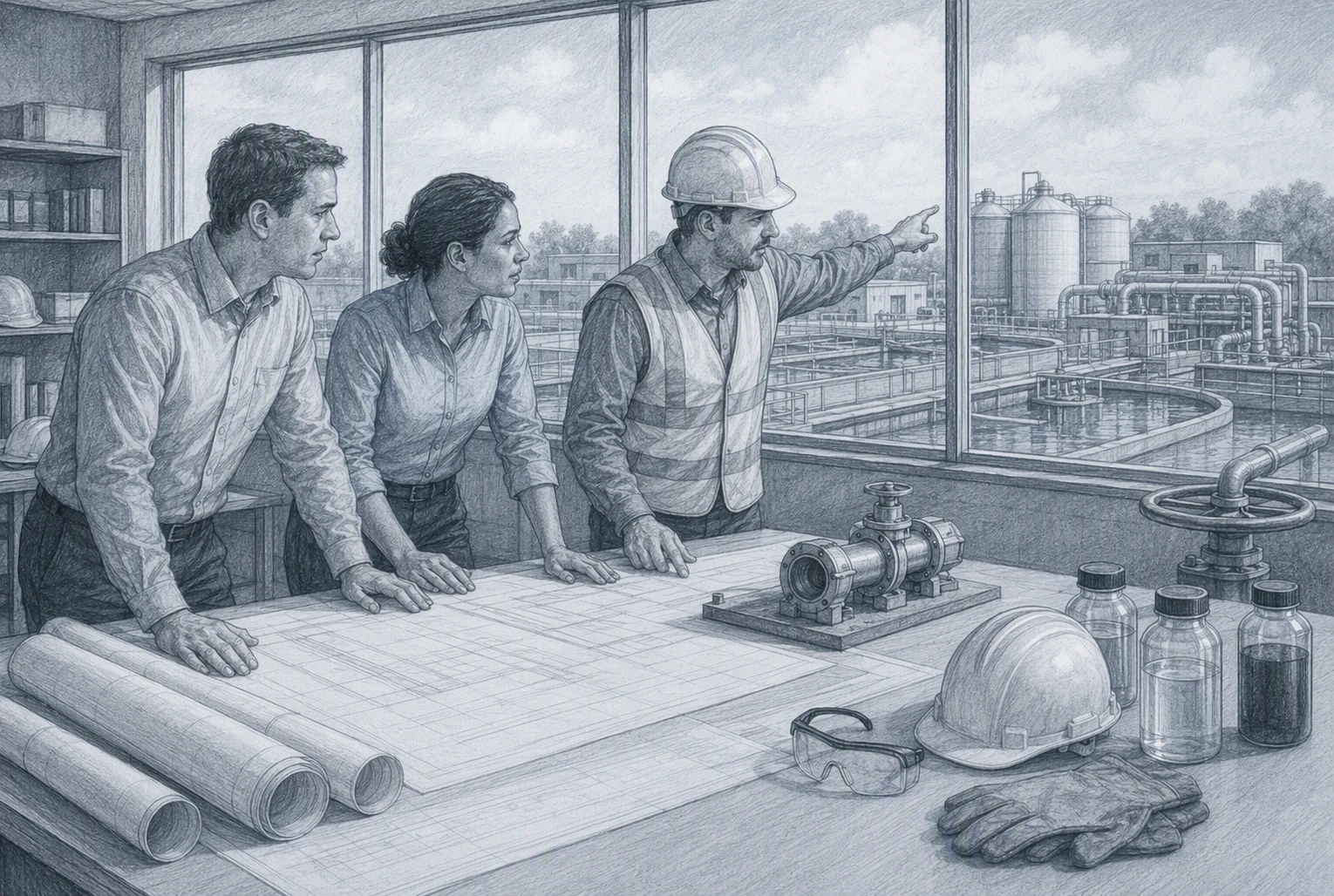
A strong application ties the reuse system to lower discharge, lower freshwater demand, or permit needs.
WIFIA for Larger, Regionally Significant Projects
WIFIA fits major projects, including water recycling, with creditworthy public or private borrowers. Large-community projects need at least $20 million in costs; WIFIA can fund up to 49% of eligible costs under EPA rules. Pair it with SRF funding when a plant project supports a wider utility or regional water plan.
Also Read: About Hoffman Water | Engineer-Led Industrial Water Treatment
Other Federal Routes Depend on Location, Project Type, and Technical Readiness
USDA Programs for Eligible Rural Facilities
USDA support is usually a community or rural-business route, not a direct factory grant. Its Water and Waste Disposal program can fund public water, sewer, and stormwater systems serving businesses in rural places of 10,000 or fewer people. Eligible borrowers include local governments, tribes, and nonprofits, not most plants directly. Check USDA eligibility.
Ask whether your project can be bundled with a utility or municipal upgrade.
| Screen | Good fit |
|---|---|
| Location | Rural service area |
| Applicant | Public or nonprofit partner |
Technical Assistance and Produced-Water Opportunities
Start with a water balance, reuse target, and permit path. USDA technical-assistance grants help qualified nonprofits assess water and waste solutions, but do not pay a factory's construction bill. USDA's program details explain the distinction.
For produced water, pursue federal calls only with a proven treatment train, sample data, and a field partner.
A strong application shows flow, contaminants, reuse demand, cost, and operator plan.
Also Read: Case Studies | Hoffman Water
Federal Water Reuse Support Has Expanded Across Agencies
Federal support now reaches beyond basic wastewater work. DOE's NAWI has opened a $12 million call for onsite industrial reuse pilots, covering cooling water, process and rinse water, and treated effluent. DOE details the eligible reuse paths and deadlines.
| Agency route | Best fit |
|---|---|
| DOE and NAWI | New treatment pilots and demonstrations |
| EPA financing programs | Larger water infrastructure projects |
Screen your project early: funding favors a clear reuse load, measurable water savings, and a site ready to host a pilot.
Turn your reuse concept into a fundable treatment plan. Hoffman Water designs onsite systems that cut water risk, support compliance, and strengthen your funding case.
Frequently Asked Questions
Q1: Which federal programs support industrial water reuse projects?
DOE's NAWI funding can support new reuse treatment work. EPA State Revolving Funds may help through state programs. USDA and EDA options may fit rural or economic development projects.
Q2: Can a private factory apply directly for funding?
Often, no. Many programs require a public utility, state agency, or local government applicant. A factory can still partner with that entity and build a shared project.
Q3: What should a plant prepare before applying?
Prepare water bills, flow data, discharge limits, treatment goals, cost estimates, and site plans. Show how reuse cuts freshwater demand, wastewater volume, energy use, or compliance risk.
Conclusion
Factory reuse projects fit best when water quality, savings, and funding rules align. DOE’s $12 million NAWI opportunity favors proven industrial pilots that cut fresh-water demand.