 Hoffman Water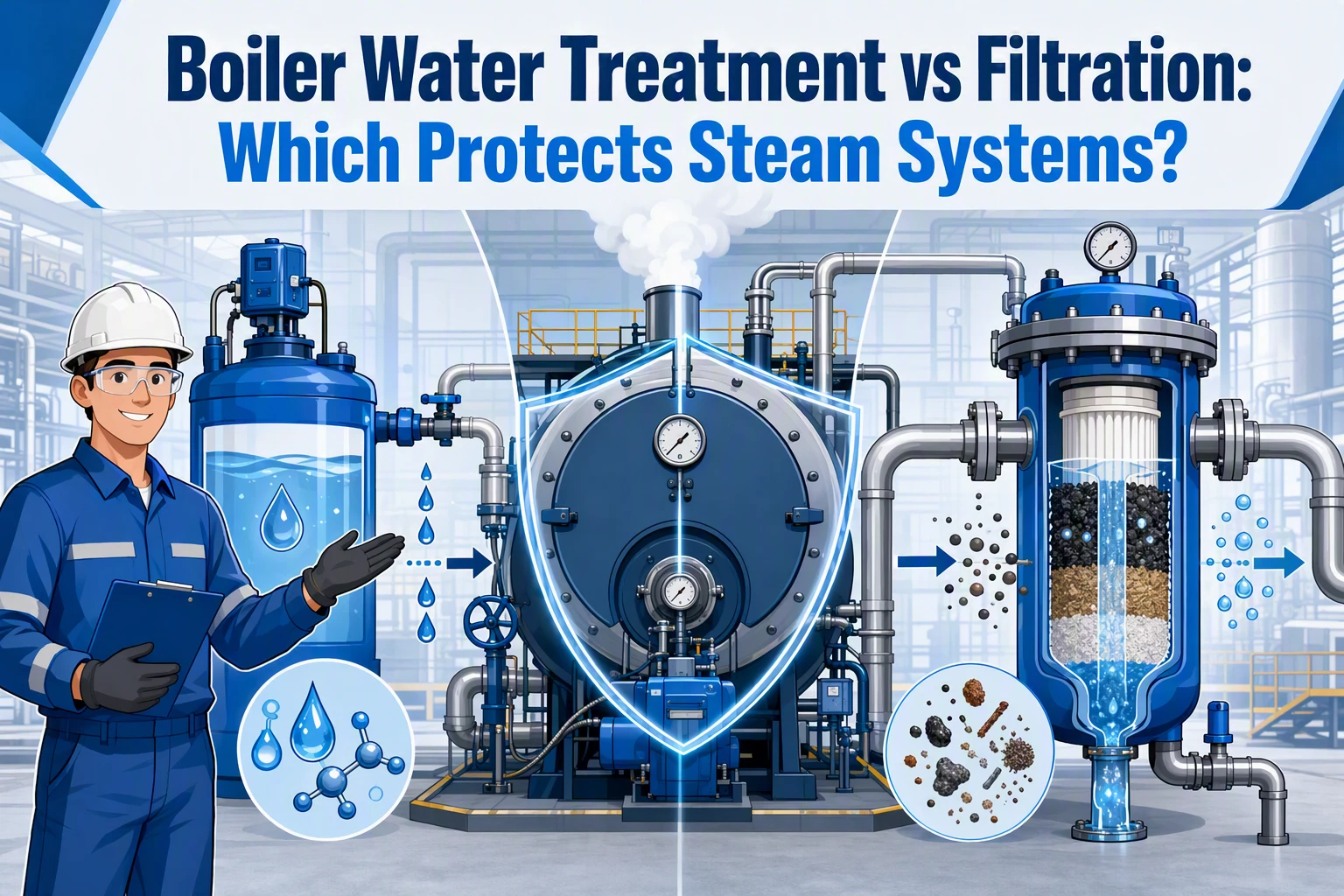
Rising fuel use, dirty strainers, and tube deposits point to a water problem. Boiler water treatment protects the full steam system, while filters catch incoming debris and solids. Our guidance reflects real boiler chemistry and operating risks. Boiler water treatment controls hardness, oxygen, silica, and TDS. Use boiler water treatment with filtration when water tests show both dissolved and suspended contaminants.
Boiler Water Treatment vs Filtration: At a Glance
| Boiler water treatment | Boiler water filtration | |
|---|---|---|
| Primary function | Control water chemistry and operating concentration | Remove suspended particles and selected physical impurities |
| Contaminants addressed | Hardness, dissolved solids, oxygen, alkalinity, silica, and corrosion byproducts | Sediment, turbidity, iron particles, debris, and some suspended solids |
| Protection provided | Controls scale, corrosion, sludge, carryover, and tube damage | Reduces particulate fouling and protects downstream equipment |
| Effect on steam quality | Supports controlled TDS, reduced carryover, and cleaner steam | Indirect benefit; does not control dissolved solids or carryover alone |
| Monitoring and maintenance | Water testing, chemical feed, conductivity control, blowdown, and trending | Differential pressure, backwashing, media condition, and cartridge replacement |
| Best application | Any steam boiler requiring reliable efficiency and asset protection | Pretreatment where suspended solids or particulate loading is documented |
How Boiler water treatment and Boiler water filtration Compare
Boiler water treatment
A coordinated program manages chemistry through testing, pretreatment, chemical feed, deaeration, blowdown, and trends. It suits any steam boiler that needs reliable heat transfer and asset life. The DOE recommends routine chemistry checks to prevent scale and corrosion. Key strengths
- Controls dissolved solids, oxygen, and hardness
- Limits scale, corrosion, sludge, and carryover
Boiler water filtration
Filtration is a physical pretreatment step for plants with sediment, iron particles, or high turbidity in makeup water. It protects downstream equipment by trapping suspended solids, but it does not manage dissolved salts or steam carryover alone.
What Each Approach Actually Removes
Filtration Targets Particles, Not Boiler Chemistry
Filters catch rust, grit, and suspended solids. They protect valves and pumps, but do not remove dissolved hardness or salts.
| Approach | Removes |
|---|---|
| Filtration | Sediment and debris |
| Softening or RO | Dissolved minerals |
Treatment Controls the Contaminants That Cause Scale and Corrosion
Treatment manages hardness, alkalinity, dissolved oxygen, and pH. These factors drive scale and corrosion. DOE notes that softeners, demineralizers, and RO remove scale-forming minerals, while chemicals and blowdown keep boiler chemistry in range. DOE guidance
A filter is useful pretreatment, not a complete boiler program.
Also Read: 5 Boiler Treatment Systems for Manufacturing Facilities
Which Better Protects Efficiency and Equipment Life?
Efficiency Depends on Clean Heat-Transfer Surfaces and Controlled Blowdown
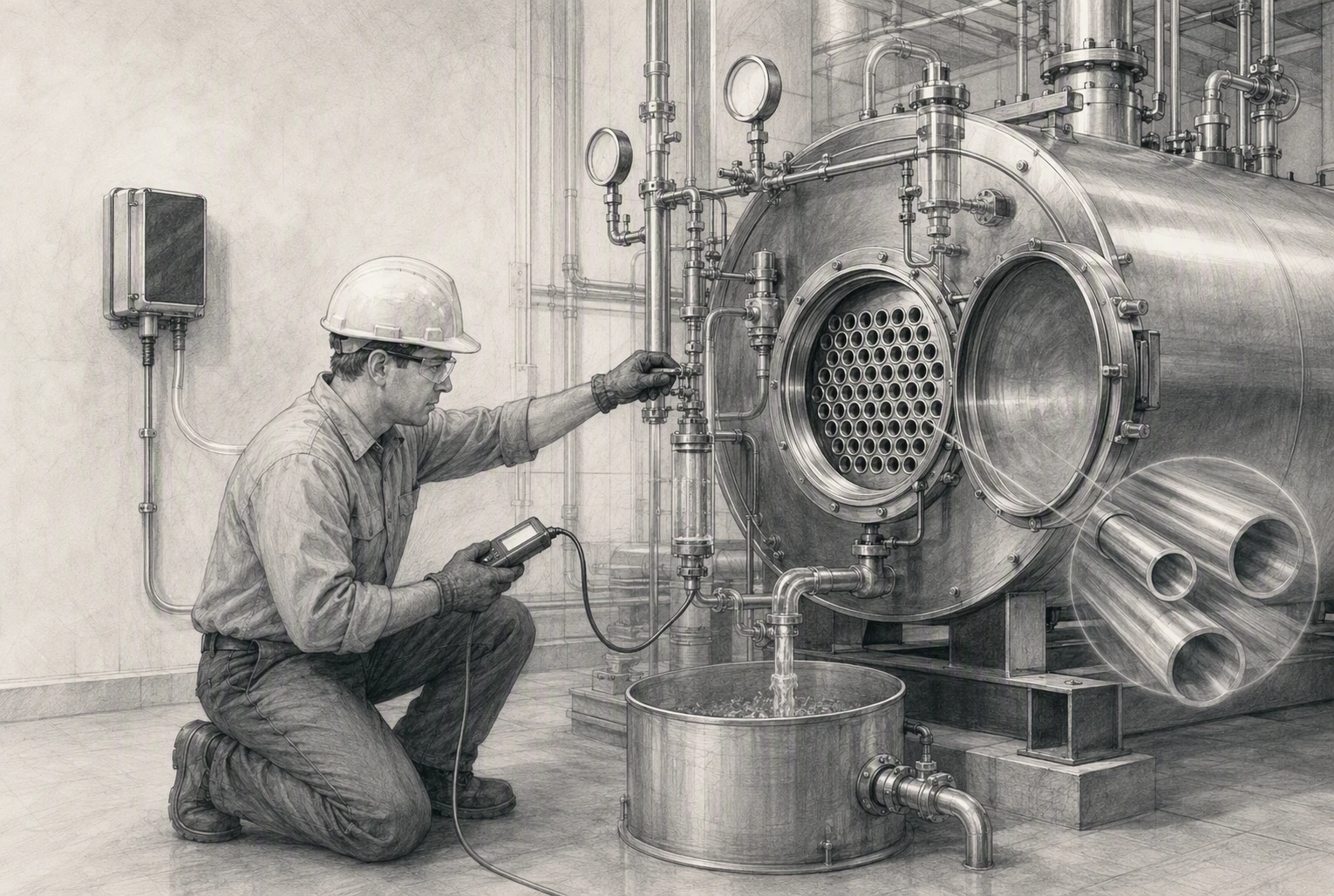
Filtration removes grit and suspended solids. It cannot stop hardness scale or dissolved salts. Water treatment does both, keeping tubes clean and blowdown within target. DOE says even thin scale insulates tubes and can raise firetube fuel use by up to 5% DOE guidance.
Equipment Life Depends on Corrosion and Carryover Control
Treatment protects metal with oxygen control, pH balance, and corrosion inhibitors. It also limits foaming and carryover that can harm valves, traps, and process equipment.
Use filtration as pretreatment, not a replacement for boiler chemistry control.
Also Read: https://www.hoffmanwater.com/blog/7-cooling-tower-service-providers-for-u-s-industrial-plants
How to Choose the Right Program for Your Steam System
Use Filtration When Particulate Loading Is the Documented Problem
Use filtration if tests show rust, sand, or suspended solids fouling strainers or feed equipment. It catches particles, not dissolved minerals or gases.
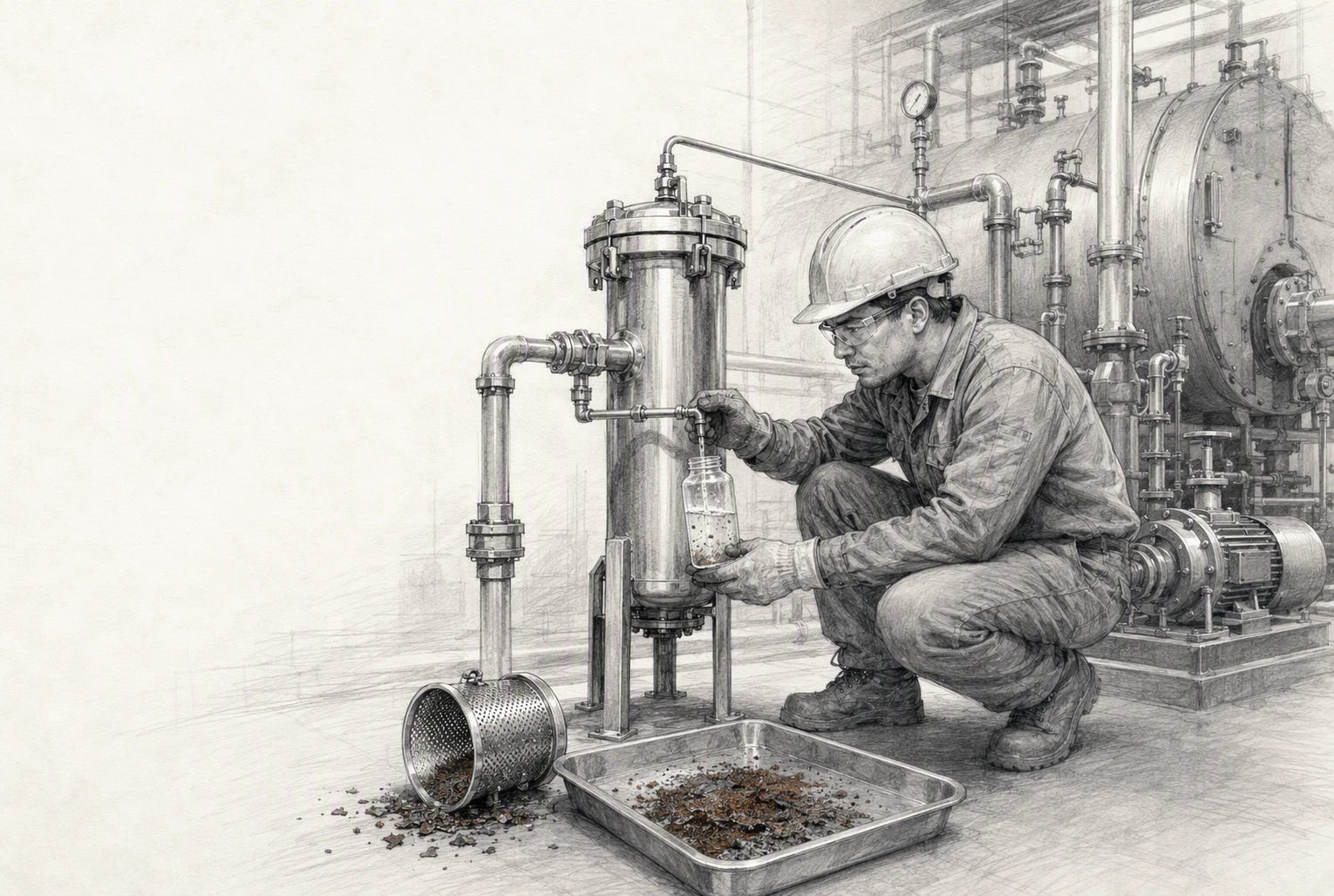
Check makeup-water turbidity and inspect spent filters before buying larger equipment.
Use a Full Treatment Program When Chemistry Drives the Risk
Choose pretreatment, chemical feed, and blowdown control for hardness, silica, high conductivity, oxygen, or condensate corrosion. The DOE recommends routine boiler chemistry checks to prevent scale and corrosion. Filtration may still support the program, but it cannot replace it.
Also Read: How to Prevent Scale in Industrial Boiler Water Systems
Which Should You Choose: Boiler Water Treatment or Filtration?
Choose boiler water treatment for every steam boiler. Choose filtration only when suspended solids also threaten pumps, softeners, or feedwater equipment.
| Water issue | Best response |
|---|---|
| Dirt, rust, or sand | Filtration |
| Hardness, silica, oxygen, or high TDS | Treatment, pretreatment, and blowdown control |
| Both particle and dissolved contaminants | Use both |
The U.S. Department of Energy recommends treatment specialists and routine chemistry checks to prevent scale and corrosion.
- Test makeup and condensate water.
- Size filtration for measured solids.
- Set treatment around pressure, load, and return rate.
A filter cannot remove dissolved minerals or stop oxygen corrosion.
Protect your steam system with the right mix of filtration and chemistry. Ask Hoffman Water for an engineer-led boiler program built for your plant.
Frequently Asked Questions
Q1: What boiler treatment program improves efficiency and equipment life?
Use feedwater testing, proper softening or RO, internal scale and corrosion control, condensate checks, and planned blowdown. Adjust chemistry to boiler pressure, makeup quality, and return-condensate rate.
Q2: Can filtration replace boiler water treatment?
No. Filters catch solids, but they do not remove hardness, dissolved oxygen, or dissolved salts. You still need chemistry and controls to prevent scale, corrosion, and carryover.
Q3: How often should boiler water be tested?
Test key boiler and feedwater values daily or per shift for critical systems. Review trends weekly. High-pressure, food, or process-steam boilers may need tighter testing plans.
Conclusion
Filtration removes particles. Water treatment controls scale, gases, corrosion, and dissolved solids. Pair both based on feedwater tests, chemistry limits, and blowdown control, as DOE guidance recommends.