 Hoffman Water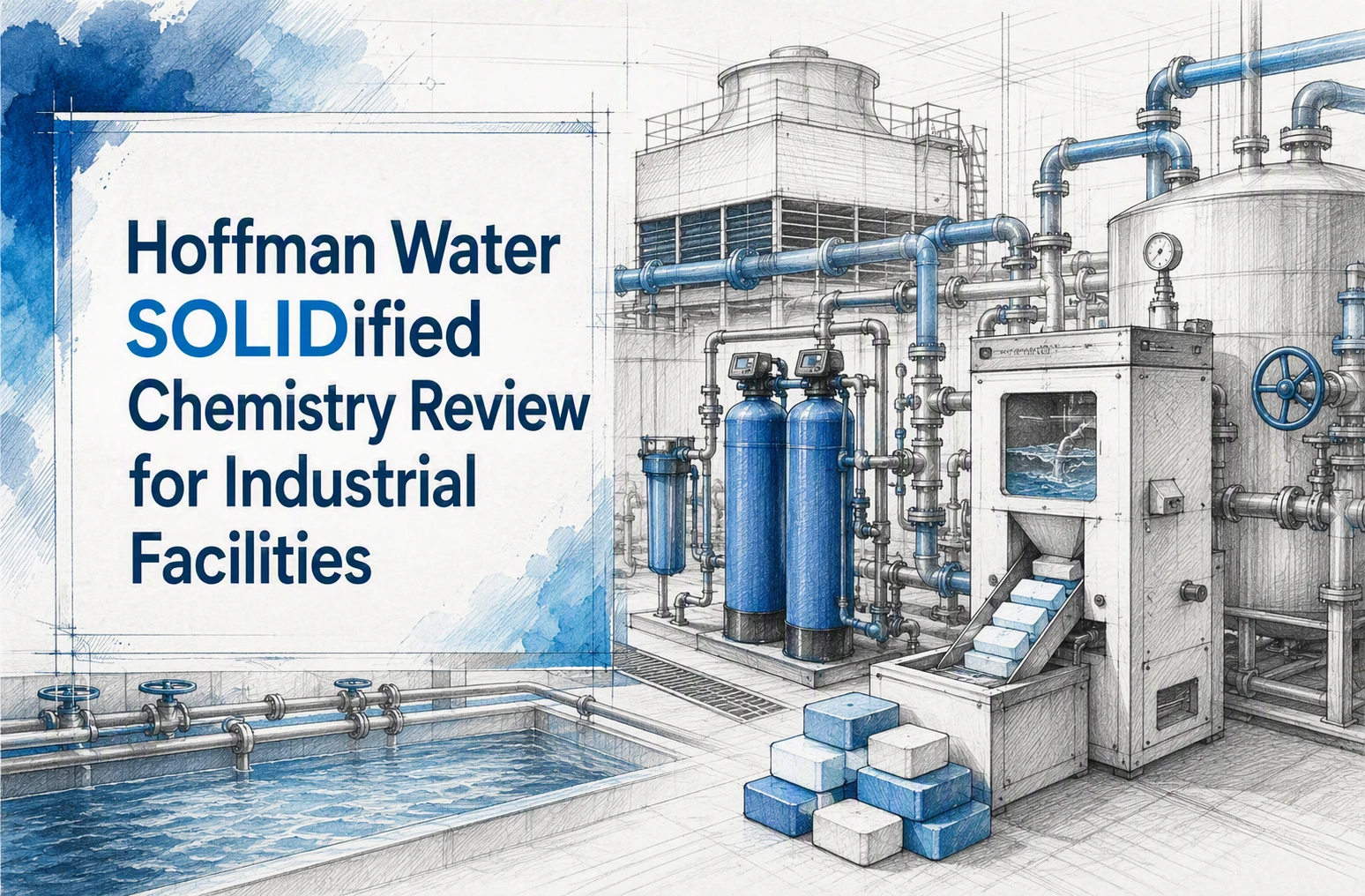
Quick Summary: Hoffman Water’s SOLIDified chemistry replaces liquid treatment drums with solid concentrates, cutting bulk storage and spill risks-but only works if you rigorously test feed accuracy, water quality, and operator workflows first. The EPA warns that improper storage or dosing can still cause scale or corrosion, so plants must validate performance against their specific boiler or cooling system demands before switching. Success hinges on matching the right feeder setup, training staff on dry-chemical handling, and running side-by-side trials to confirm corrosion and scale control match or exceed liquid programs. It’s worth it for facilities drowning in drum storage, but only after proving it handles load swings and alarms reliably.
Moving treatment chemicals to a rooftop tower or remote boiler room raises a hard question: can Hoffman Water SOLIDified chemistry dissolve, feed, and stay under control like liquid treatment?
This review tests that practical issue. It explains what to verify before a conversion, where feed problems can occur, and how to validate results with site data. Hoffman Water SOLIDified chemistry needs a disciplined trial, not assumptions. Plant-focused checks make Hoffman Water SOLIDified chemistry easier to assess.
How Hoffman Water SOLIDified Chemistry Works
Hoffman Water SOLIDified Chemistry replaces bulk liquid delivery with a solid concentrate. The site makes a feed solution, then meters that solution into the boiler, cooling, or closed-loop system.
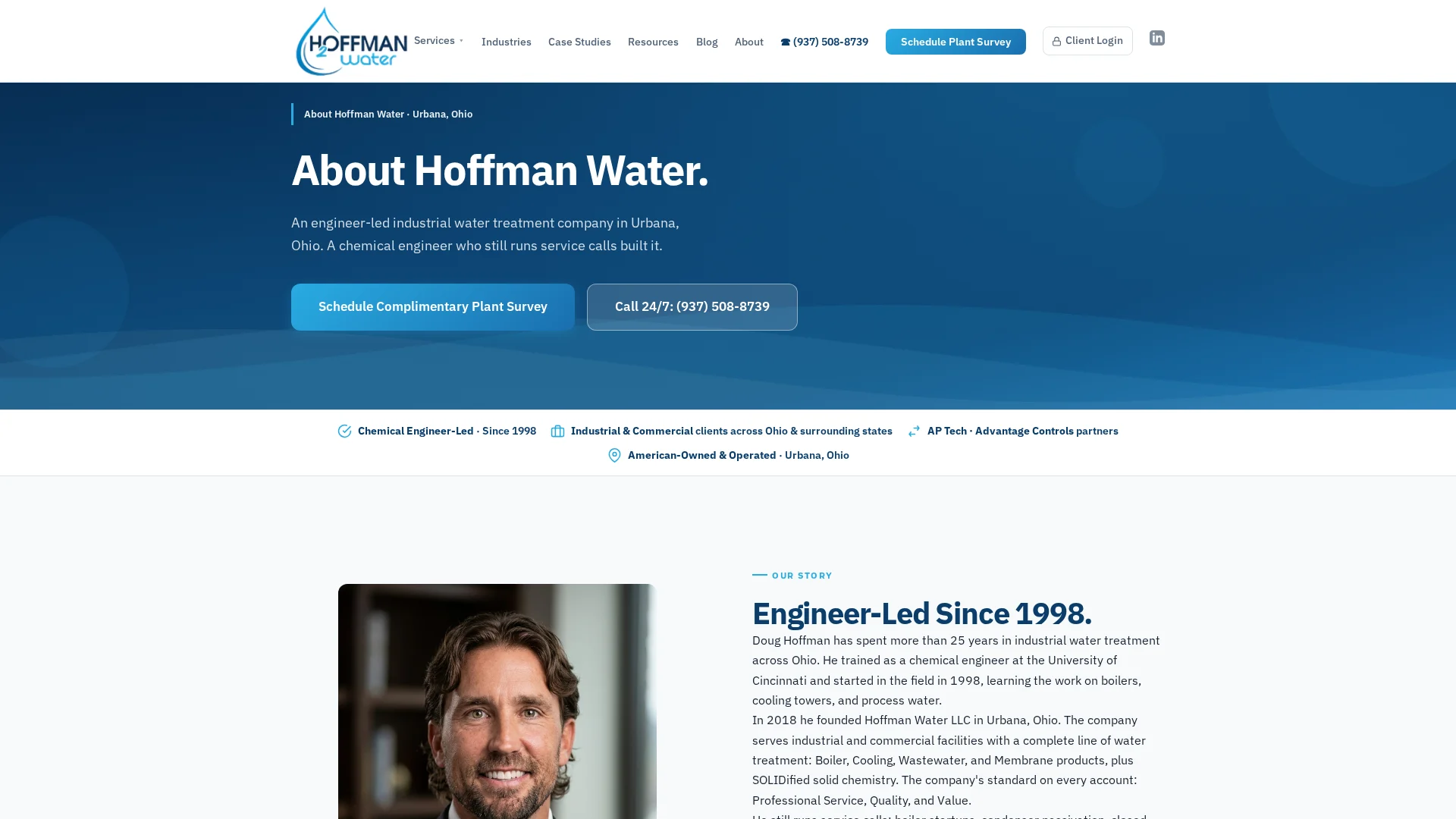
The Solid Concentrate-to-Feed-Solution Path
- Store the solid product in its intended dry, secure area.
- Add it to the supplied make-up or dissolving unit.
- Mix with water to form the specified feed solution.
- Use a metering pump to dose the system based on test results and demand.
The chemistry still needs proper control. Boiler solids rise as water turns to steam, so operators must manage conductivity, blowdown, and treatment feed. EPA notes that excess dissolved solids can drive scale or corrosion in boilers. EPA boiler guidance
What the Format Changes - and What It Does Not
| Changes | Does not change |
|---|---|
| Less bulk-liquid handling | Need for routine water testing |
| Reduced liquid storage volume | Correct feed rate and pump checks |
| Different loading workflow | SDS, PPE, and dry storage rules |
Keep solid products dry and separate incompatible materials. EPA warns that moisture or poor storage can create serious reactions. EPA storage guidance
Also Read: How to Prevent Scale in Industrial Boiler Water Systems
Hands-On Evaluation Criteria for an Industrial Facility
Reliability, Monitoring, and Maintenance
Ask Hoffman Water to map each feed point, alarm, and operator task before you convert. Run a trial through normal load swings, not just a clean startup.
- Verify dosage accuracy against your control targets.
- Check remote alarm response and backup feed plans.
- Track scale, corrosion, and microbiological test trends.
- Confirm refill time, storage needs, and service access.
| Check | Proof to request |
|---|---|
| System uptime | Alarm and service history |
| Control fit | Trend data from your plant |
| Operator work | Written refill procedure |
Tip: Define pass-fail limits before the trial. A chemistry change needs baseline and post-change data.
Compatibility, Safety, and Total Operating Cost
Review the product SDS, storage method, and compatibility with current controls and metallurgy. OSHA requires accessible SDSs and worker training for hazardous workplace chemicals, as outlined in its Hazard Communication Standard.
Compare the full operating cost, not unit price:
- Chemistry use and freight.
- Labor for handling and testing.
- Spill risk, waste, and downtime.
- Service coverage and emergency response.
Ask who owns troubleshooting when water quality moves outside limits.
Also Read: Boiler Water Treatment vs Filtration: Which Protects Steam Systems?
Pros and Cons of Hoffman Water SOLIDified Chemistry
SOLIDified chemistry can reduce routine exposure to bulk liquid transfers and help free up chemical-room space.
| Pros | Cons |
|---|---|
| Less liquid handling and spill risk | Needs the right feeder and storage setup |
| Cleaner inventory and transport | Not every system is a fit |
| Engineer-led conversion support | Operators need new handling training |
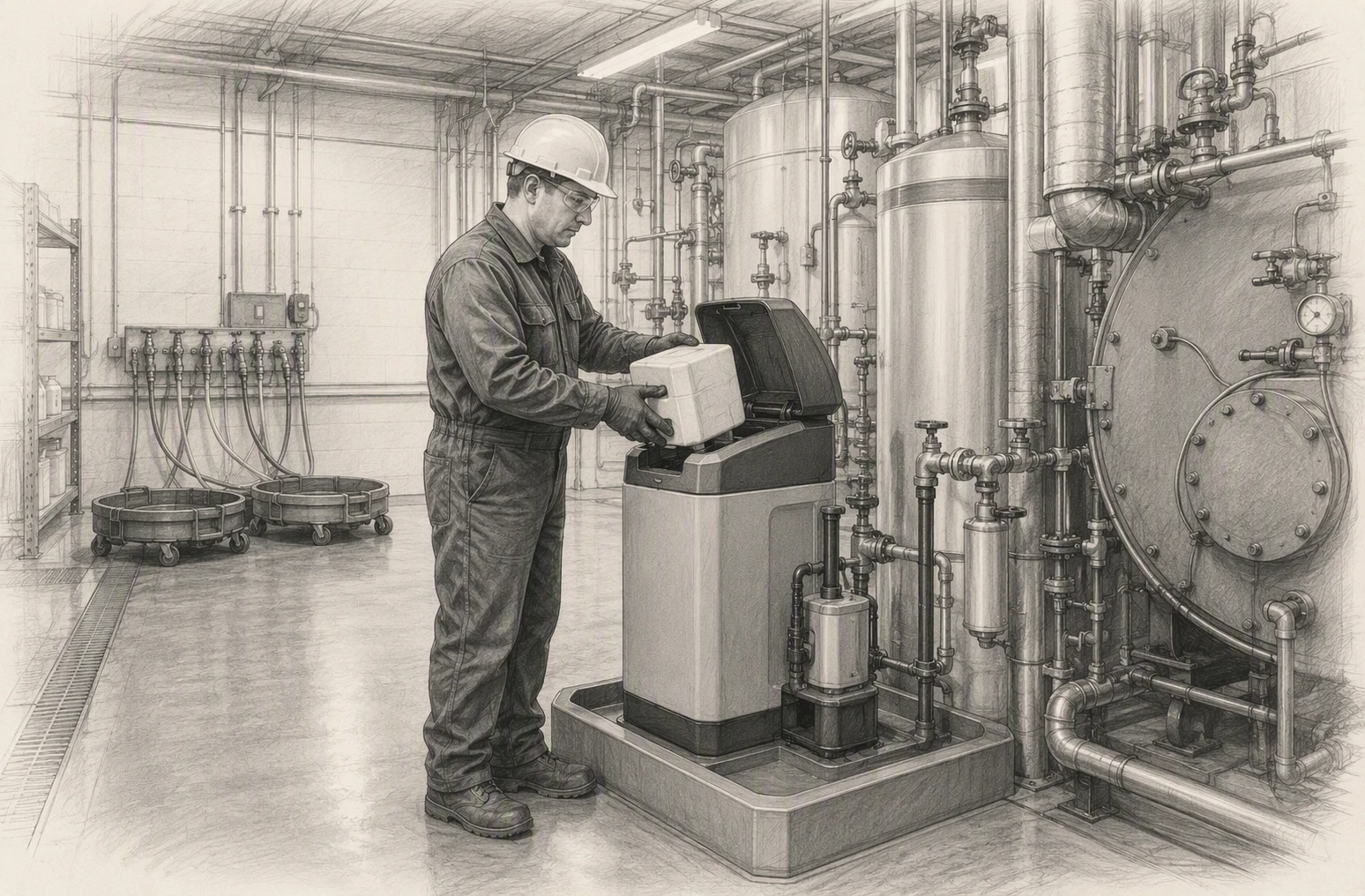
- Pro: Hoffman Water can match the feed setup to boiler, cooling, or closed-loop needs.
- Con: Dry products still need strict moisture control and separation. The EPA warns that incompatible dry chemicals can react dangerously.
Validate feed rate, water results, and operator steps before retiring liquid equipment.
Also Read: https://www.hoffmanwater.com/blog/5-boiler-treatment-systems-for-manufacturing-facilities
Is Hoffman Water SOLIDified Chemistry Worth It?
Yes, if liquid handling is your real pain point and the system can hold steady feed rates. SOLIDified chemistry may reduce drum storage, splash risk, and spill cleanup. OSHA still requires labels, SDS access, and worker training for hazardous chemicals, regardless of form (OSHA guidance).
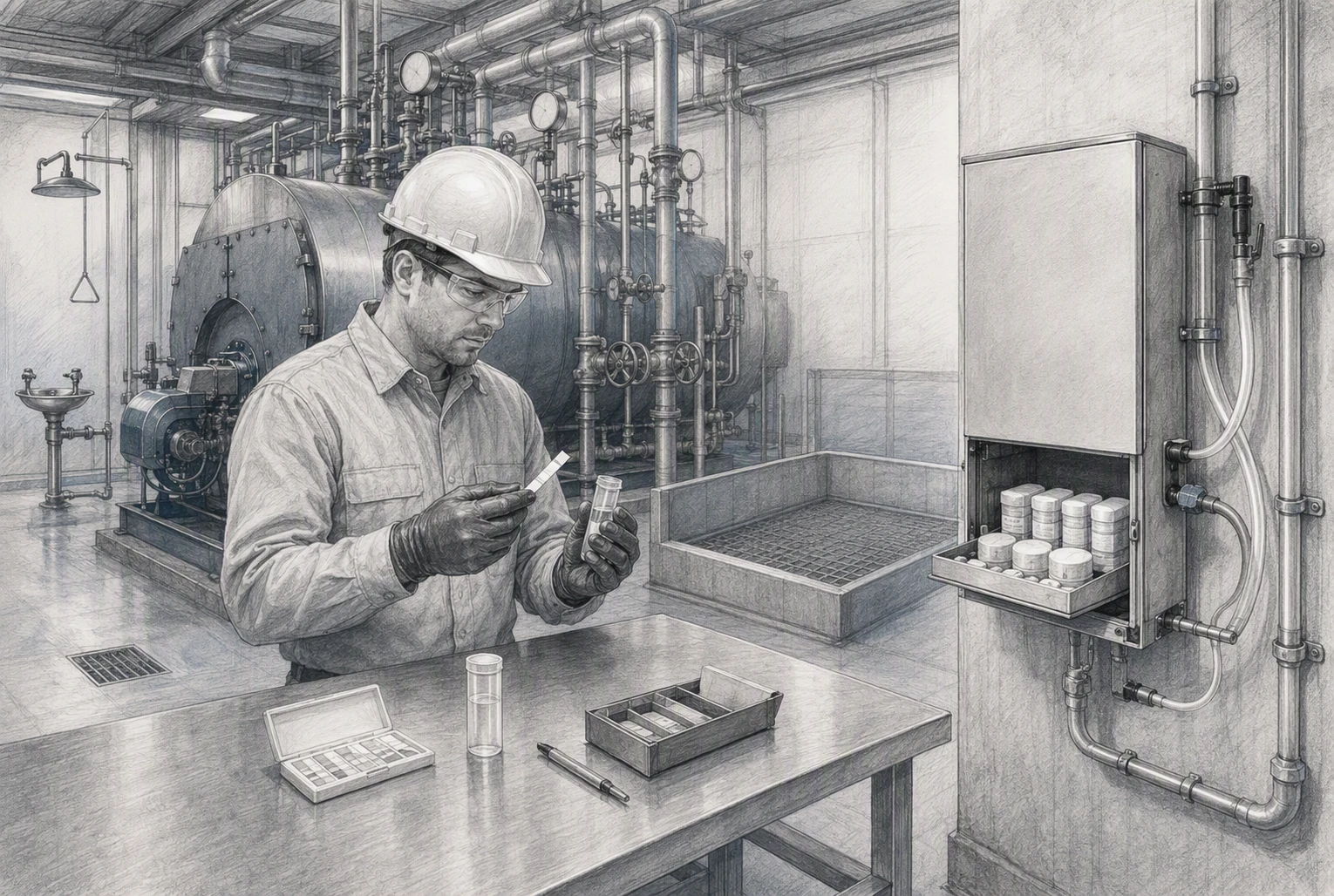
| Validate before conversion | Why it matters |
|---|---|
| Feed rate and control | Prevents underfeed or overfeed |
| Water test trends | Confirms corrosion and scale control |
Run a documented side-by-side trial before replacing your current program.
Validate SOLIDified chemistry at your plant with an engineer-led review. Hoffman Water can assess handling risks, feed needs, and system fit for boilers, cooling, and closed loops.
Frequently Asked Questions
Q1: How does Hoffman Water’s SOLIDified chemistry work?
It delivers treatment chemicals as solids through controlled feed equipment, reducing liquid drum handling. Hoffman Water sizes the system around your water demand, treatment goals, and operating limits.
Q2: Can plants convert existing liquid programs?
Yes. Start with water tests, feed-point checks, and a phased trial. Track cycles, corrosion, scale, and chemical use before removing liquid storage.
Q3: Does solid chemistry remove all operator work?
No. Operators still test water, inspect feed equipment, and respond to alarms. It can reduce lifting, spills, and liquid inventory risks.
Conclusion
Hoffman Water SOLIDified Chemistry merits a controlled trial, not blind conversion. Track feed, water tests, deposits, and blowdown. EPA guidance confirms chemistry control helps prevent scale and corrosion.