 Hoffman Water
Quick Summary: Solid chemistry often costs less overall because it reduces freight, drum handling, storage needs, spill risk, and packaging waste, even though it costs more per pound. Hoffman Water favors solids for multi-tower plants with tight storage, steady loads, and safety-sensitive operations, while liquid treatment remains better for continuous dosing, high-cycle systems, and changing water conditions. Neither format wins outright, so compare total program costs and match the treatment to your water conditions, controls, and staff.
The solid chemistry vs liquid treatment question comes down to hidden costs. Moving drums, maintaining containment and training staff around bulk liquid often costs more than the chemical itself. Solids close much of that gap, but only when feed control and water chemistry support them. This comparison weighs cost, safety and logistics so you can decide whether to convert, stay liquid or run a hybrid program.
Solid Chemistry vs Liquid Treatment: At a Glance
| Solid Chemistry Water Treatment | Liquid Water Treatment Chemistry | |
|---|---|---|
| Chemical Cost | Often higher per pound or per gallon of product | Generally lower per pound of active chemistry |
| Handling and Spill Risk | low: dry blocks in cartons, minimal exposure risk | higher: spills, exposure, drum lifting injuries |
| Feed Control Precision | Controlled-release and recirculating feeders allow measured, on-demand feed | highest: continuous metering pump dosing and dosing tank control |
| Storage and Logistics | Small footprint; light cartons replace 55-gallon drums | Large footprint; bulk tanks and containment needed |
| Environmental Footprint | Lower freight and packaging waste; lighter shipping mass | Higher freight mass, drums and packaging waste |
| Best For | Multi-tower plants, tight storage, safety- and audit-sensitive sites | Sites needing continuous dosing, tight make-up water, high cycles |
How Solid Chemistry Water Treatment and Liquid Water Treatment Chemistry Compare
Solid Chemistry Water Treatment
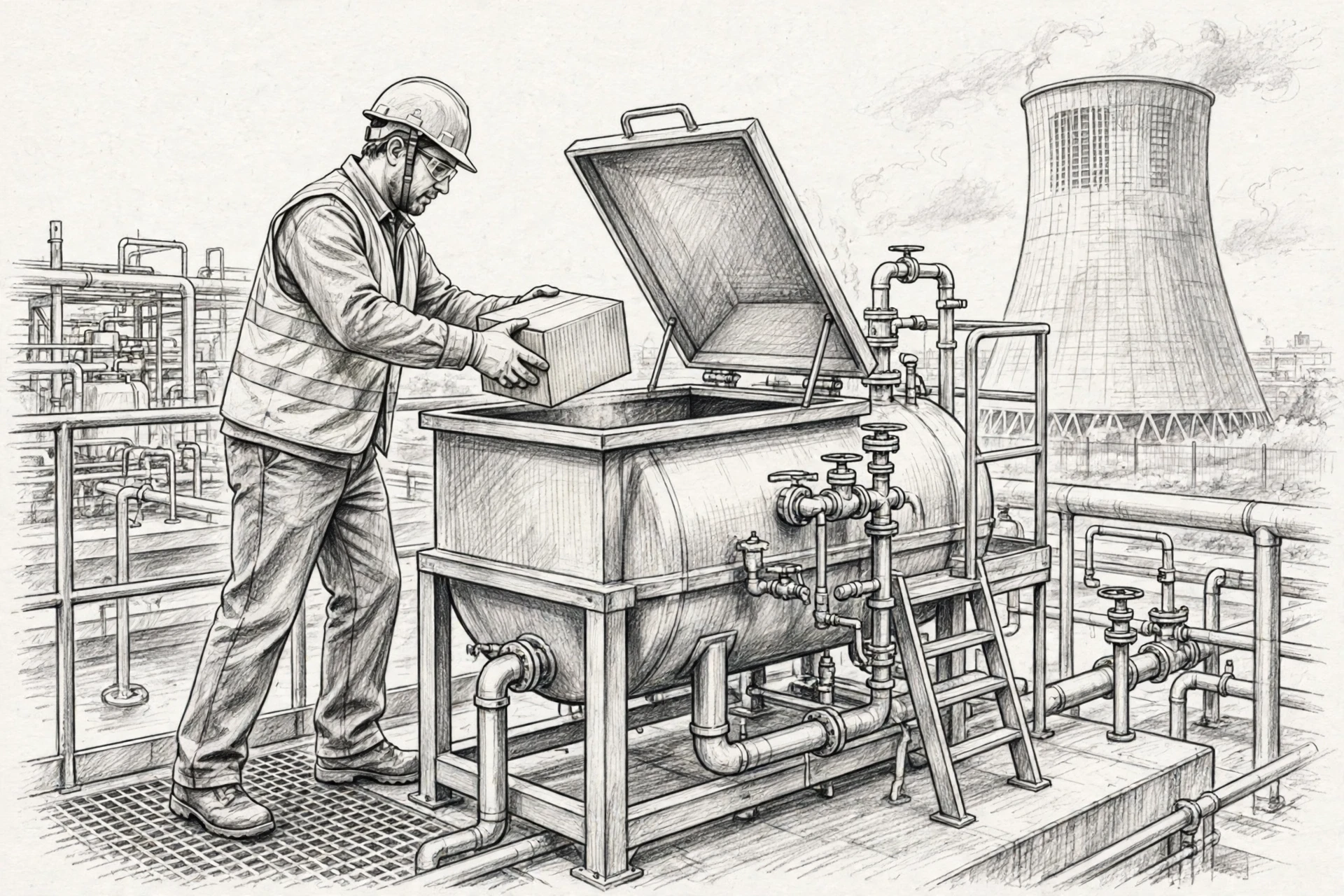
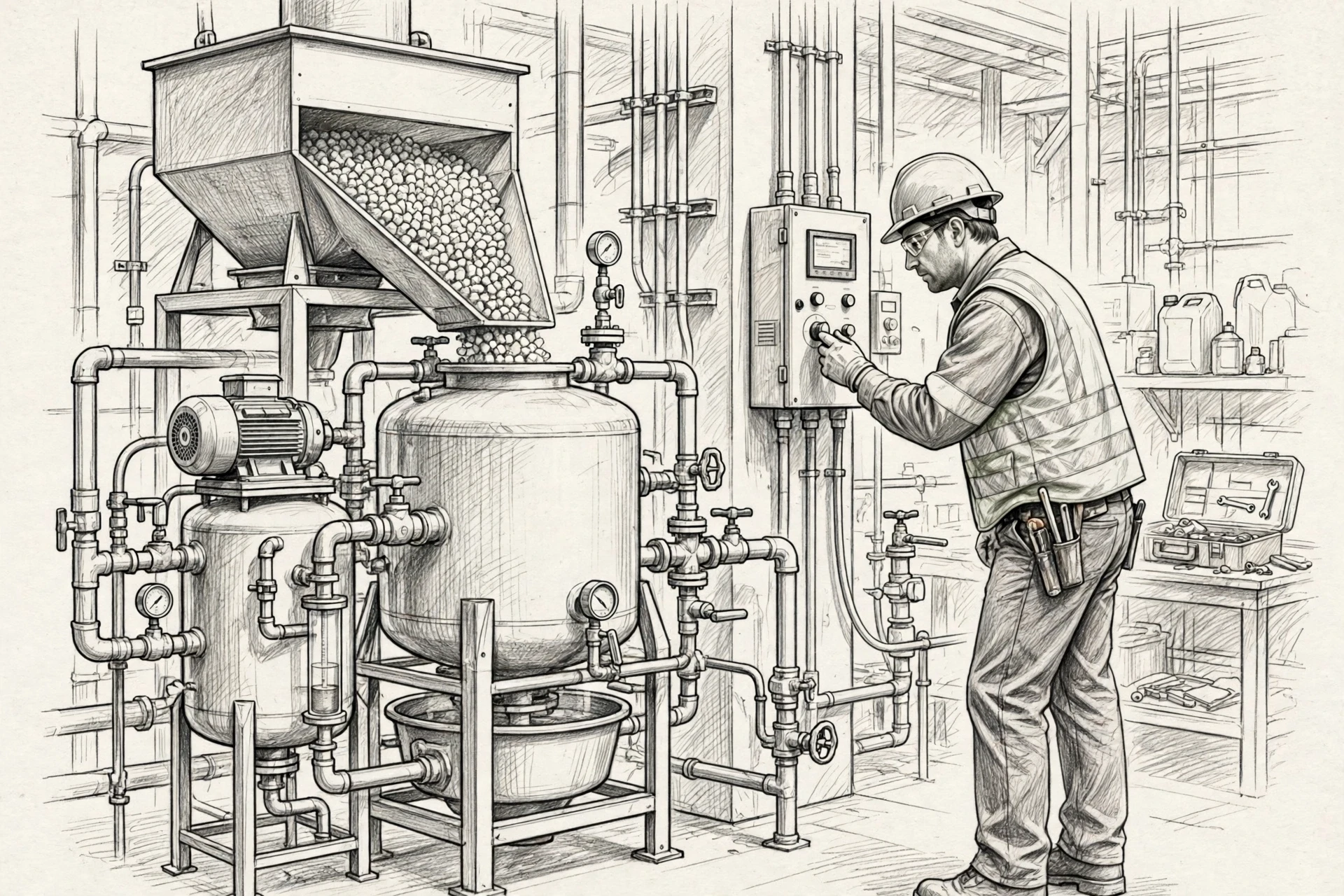
Dry, concentrated blocks and tablets dissolve into the water stream through controlled-release or recirculating feeders. This format suits multi-tower plants, facilities with tight storage, and safety- or audit-sensitive sites. Engineer-led providers like Hoffman Water favor it where drum handling and spill exposure create risk.
Key strengths
- Low handling and spill risk: dry blocks in cartons, minimal exposure
- Small storage footprint; light cartons replace 55-gallon drums
- Lower freight mass and packaging waste
Liquid Water Treatment Chemistry
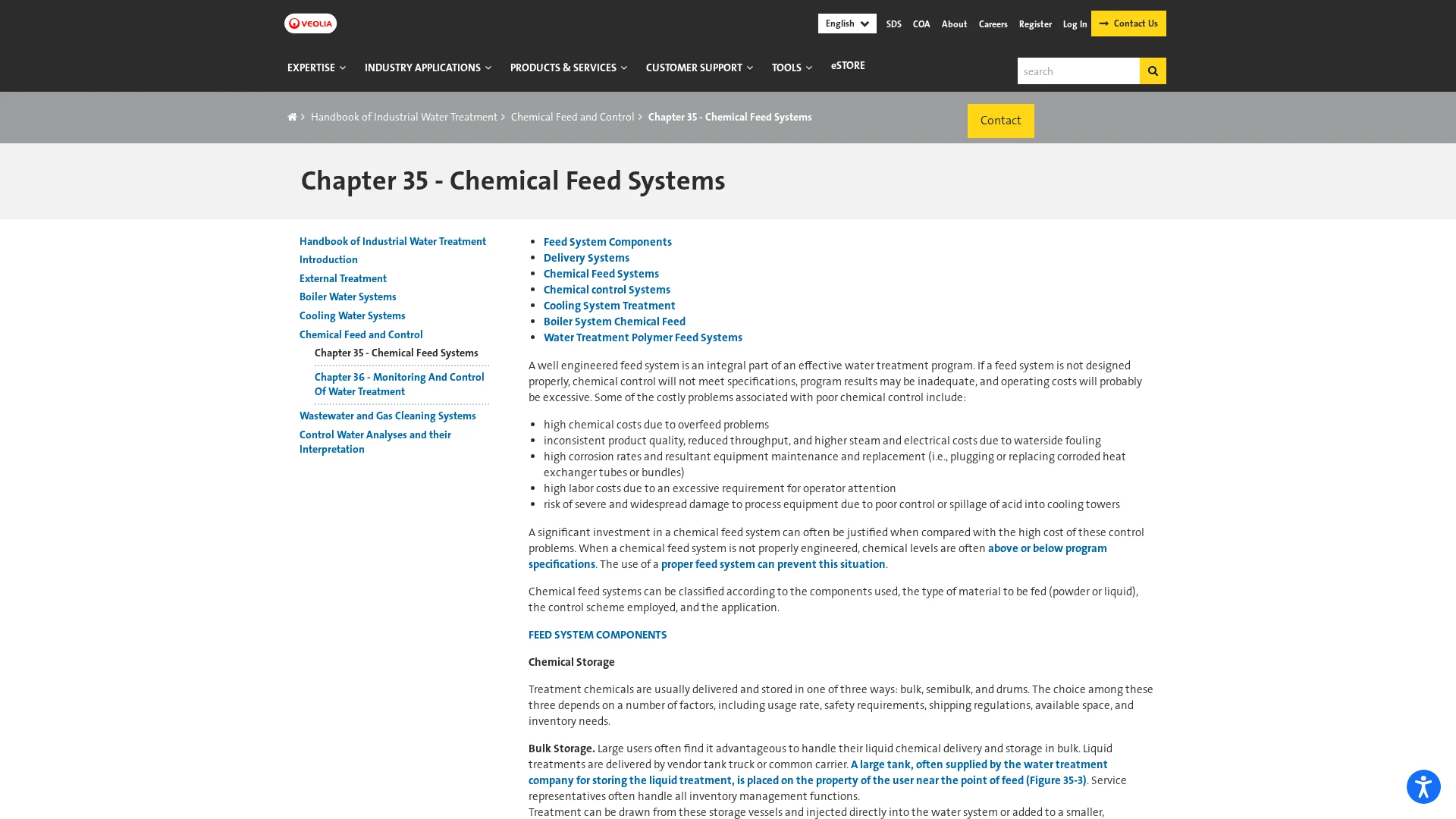
The traditional bulk approach: inhibited concentrate, biocide and pH control chemistry arrive in drums or totes, sit in on-site storage and get injected by metering pumps. Sites needing continuous dosing, tight make-up water or high cycles still rely on it. Its strength is precision; its burden is handling.
Key strengths
- Highest feed precision through continuous metering pump dosing
- Lower cost per pound of active chemistry
- Proven fit for continuous dosing and high-cycle systems
Cost Comparison: Where the Real Money Sits
Is solid chemistry cheaper than liquid water treatment chemistry? Per pound, solid concentrates usually cost more, but real program cost includes freight, labor, storage, spill risk, and water shipped in liquid drums. Count those, and solids often win.
The Hidden Costs Liquid Programs Carry
Liquid prices look low until you tally them. Freight on drums can run 15-20% of chemical cost, versus 1-2% for solid chemistry water treatment. Add drum handling labor, containment, spill cleanup, and the water you pay to ship and dump.
When Solid Chemistry Costs More Up Front
Solid concentrates carry a higher price per pound, and small plants may never earn that back through freight and labor savings. If you use little chemistry, has anyone run the numbers honestly? A true cooling tower water treatment cost comparison starts with your actual dosage, not the price tag.
Handling, Safety and Environmental Impact
Worker Exposure and Spill Potential
Liquid chemistry puts splash, fume and drum-handling risks in front of your operators every delivery and feed day. Because cutting unnecessary chemical handling is one of the best ways to lower exposure, solid chemistry water treatment wins here: light cartons mean no drum lifting, no spills and less PPE. Solids also cut heavy drum handling injuries tied to workers compensation claims.
Shipping Mass, Packaging Waste and Carbon
Liquid products ship mostly water, so each 55-gallon drum carries wasted freight and ends up as drum disposal. Solid chemistry cuts shipping mass sharply and packs in recyclable cartons, which lowers both packaging waste and freight emissions per treated gallon.
Feed Control, Performance and Where Each Format Fits
Debunking the Solid Chemistry Control Myth
Vendors claim solid chemistry feeds poorly. In practice, dissolving-controlled solid chemistry water treatment meters steadily when the feed station is sized right, and modern controllers track conductivity just as they do with liquid vs solid cooling tower chemicals. The real control limits are solubility in very cold make-up water and short treatment windows.
Matching the Format to Your Water and Staffing
Choose liquid when hardness swings widely or you need biocide feeding on demand. Choose solids when staff handle drums rarely, space is tight, and loads are steady. A facility superintendents' rule of thumb: match the format to your cooling tower monitoring and crew size, not to vendor claims.
Which Should You Choose: Solid Chemistry or Liquid Treatment?
Convert to solid chemistry if freight costs, drum handling, or storage space drain your budget. Stay with liquid if your system needs tight, real-time feed control or your chemistry demands products that don't come in solid form.
Choose Solid Chemistry If
Your plant ships in small volumes, lacks drum storage and containment, or wants safer handling without hazardous-liquid training.
Stay With Liquid If
You run a large cooling tower or boiler needing precise dosing, your feed pumps are already tuned, and liquid products for your application are proven.
Still shipping water? Talk to Hoffman Water about solid chemistry water treatment. Get a facility-specific comparison at Hoffman Water and see your real numbers.
Frequently Asked Questions
Q1: How does solid chemistry compare with liquid treatment for industrial water systems?
Solids cost more per pound but cut freight, drum handling and spill risk. Liquid wins when you need tight, continuous feed control.
Q2: When does solid chemistry not make sense?
Small plants using little chemistry may never recover the higher product cost.
Q3: Can solid chemistry match liquid feed precision?
Yes, with a properly sized feed station and conductivity-based controllers.
Conclusion
Neither format wins outright. Solids cut freight, drum handling and spill risk; liquid still delivers the tightest feed control. Count your full costs, match the format to your water and crew, and decide from your own numbers.