Paint Detackification Programs.
Kill the paint overspray before it fouls your booth. Detackifier chemistry matched to your paint, flocculants that consolidate the sludge, and foam control that keeps the system stable between cleanouts.
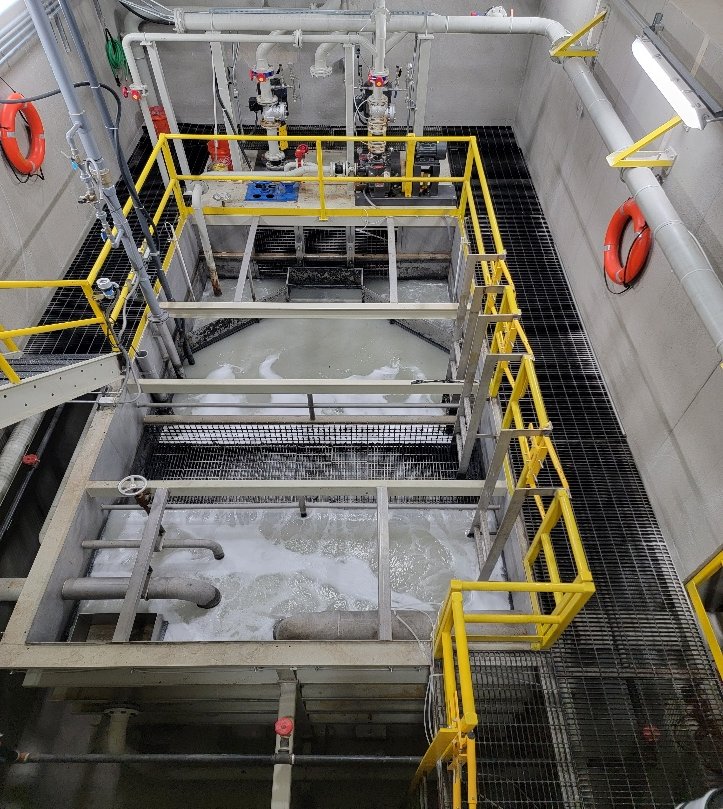
Sticky Overspray Shuts Paint Booths Down
Every part you spray sends overspray into the booth water, and depending on the booth and the part, that can be 20 to 70 percent of the paint you spray. Untreated, it stays sticky: it plates out on the pit, plugs pumps and screens, feeds foam, and turns cleanouts into full production stops.
A detackification program kills the paint the moment it hits the water. We match the chemistry to the paint you spray, solvent-borne or waterborne, then run the flocculant, foam control, and water balance that keep the booth running between scheduled cleanouts.
If It Gets Painted, the Booth Has This Problem
Any plant that wet-sprays parts is fighting the same sticky overspray, whatever the part is.
Auto & Truck Assembly
Body and paint lines for cars, heavy trucks and buses.
Auto Parts Suppliers
Mirrors, wheels, bumpers, hoods and every painted part that ships to an assembly plant.
Plastics & Fascia
Painted plastic fascia, bumper covers and trim.
Heavy Equipment & Ag
Construction and agricultural equipment, forklifts and the parts that go on them.
Motorcycles, Boats & Buses
Frames, hulls and bodies coming off a wet paint line.
Consumer Products
Lawn mowers, furniture, cabinets and anything else that comes off a paint line.
The Numbers a Booth Program Has to Hit
A detack program either holds these or it does not. We run to them and report against them.
-
Booth water under 100 ppm suspended solids
Water going back to the booth has to be clean enough that it stops re-depositing paint on the pit, the screens and the piping.
-
Sludge out above 45% solids
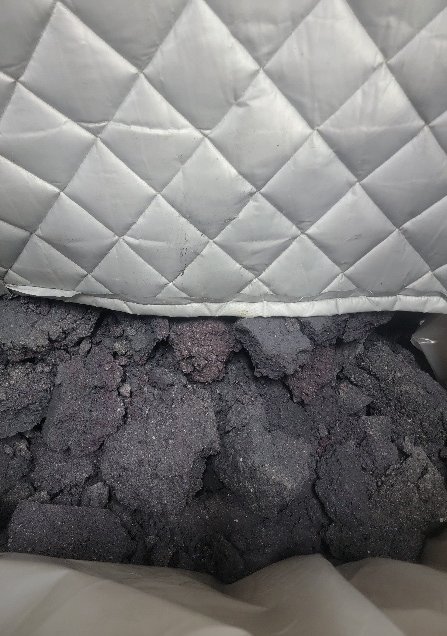
Drier sludge is fewer bags, lighter hauls and a smaller disposal bill for the same amount of paint sprayed.
-
Lower total cost of operation
Mechanical, operational, chemical. Chemistry is one lever of three, and we look at the equipment and the way the booth is run before reaching for another drum.
From Overspray to Clean, Recirculating Water
Paint killed on contact, solids consolidated and removed, and booth water that keeps recirculating clean.
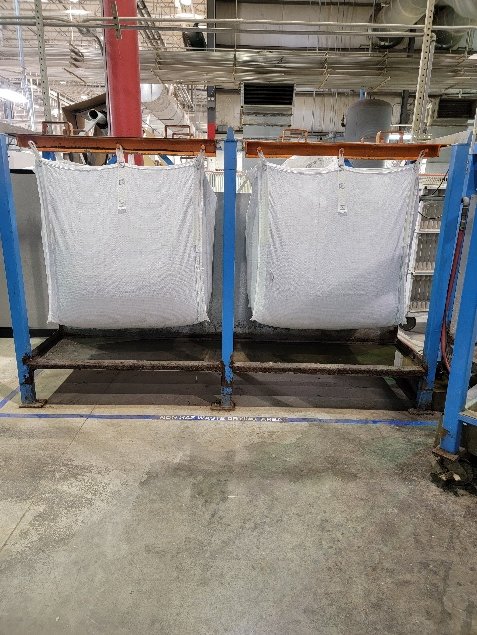
What a Working Detack Program Looks Like
Photos from running paint systems, from the pit to the bag.
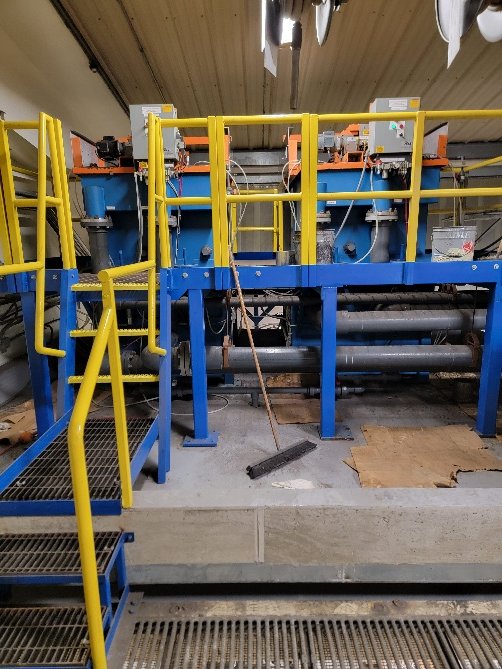
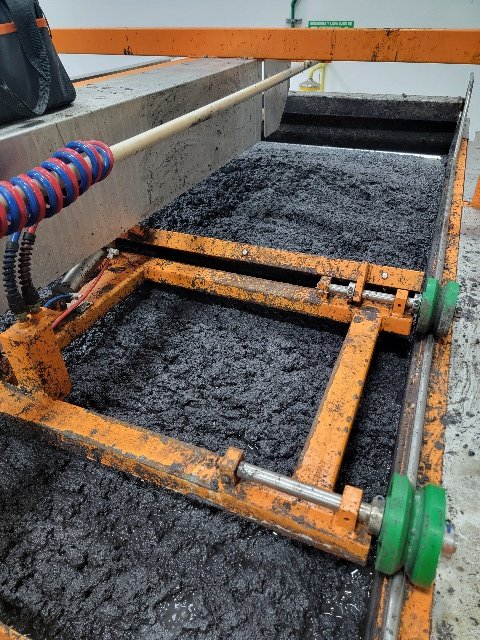
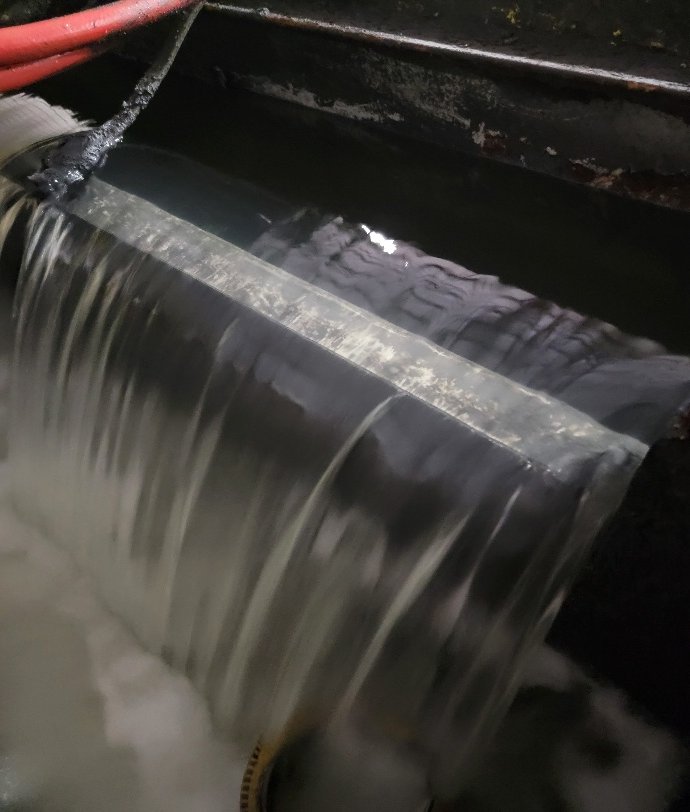
What a Detackification Program Covers
Built around your booth, your paint, and your production schedule.
Detackifier Chemistry Matched to Your Paint
Solvent-borne and waterborne paints kill differently. We test with the paint you actually spray and run the detackifier that works on it.
Flocculants for Sludge Consolidation
Once the paint is dead, the right flocculant gathers the paint solids into a sludge you can actually collect, instead of a haze that circulates forever.
Foam & Defoamer Control
Recirculating booth water wants to foam. We run the defoamer program that keeps it down without upsetting the detackifier.
Booth Water Balance & pH Control
Detackifiers only work in the right water. We monitor pH, conductivity, and solids loading and keep the booth water where the chemistry performs.
Sludge Handling & Disposal Support
Drier, denser sludge means fewer drums and cheaper hauling. We help you get the solids out and coordinate with your wastewater program when booth water is dumped.
Feed Equipment & Automation
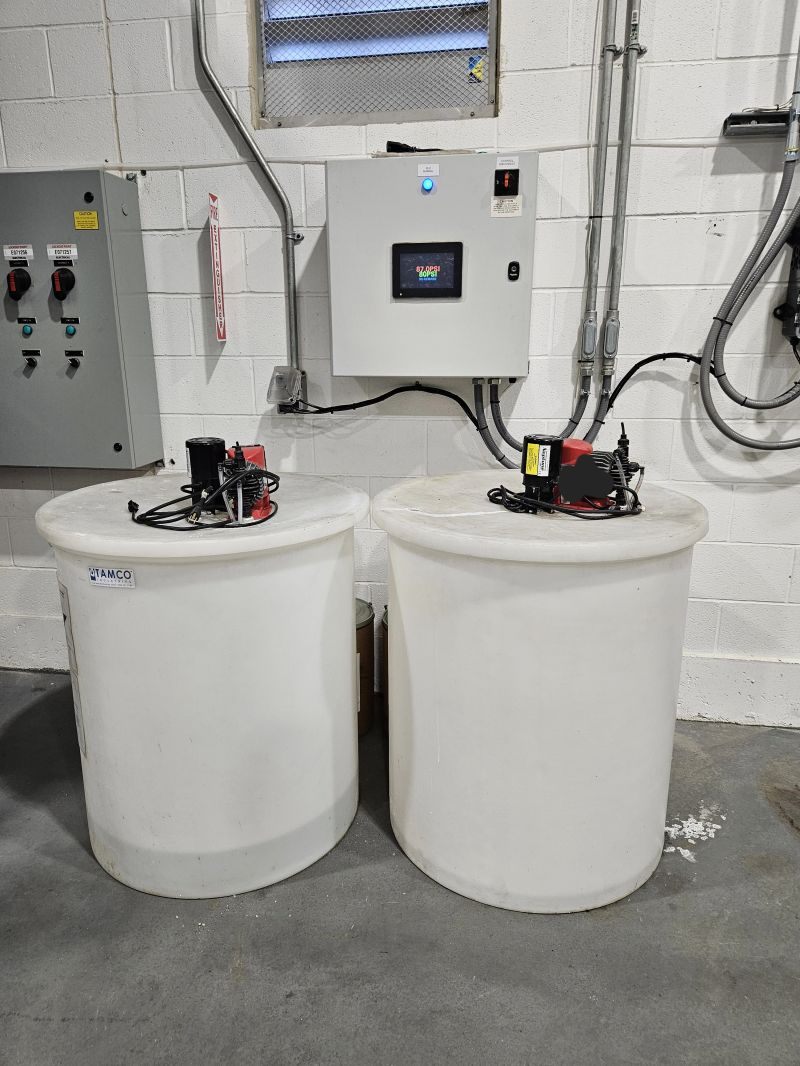
Chemical feed equipment and controls so dosing tracks your production schedule instead of relying on someone watching a gauge.
The Detack Line Behind the Program
We pick the chemistry that fits your paint and your booth. These are the categories a detackification program runs, with the commodity items to back them up.
-
Green Detack chemistry
Our detackifier is built on cationic corn starch and aluminum chlorohydrate. It detackifies solvent-borne and waterborne paint at a lower dose than older melamine programs: about one part to every 30 parts of high-solids paint overspray, and one to 50 on waterborne.
-
Detackifiers for Solvent-Borne Paint
Chemistry for solvent-borne overspray that kills the paint on contact, so paint solids stop plating out on the pit and piping.
-
Detackifiers for Waterborne Paint
Waterborne paints don't kill the same way. We run detackifiers built for them, and adjust the program when your paint line changes.
-
Flocculants & Sludge Conditioners
Polymers that gather dead paint solids into a dense, drier sludge, easier to rake, pump, and haul, and cheaper to dispose of.
-
Defoamers & Foam Control
Foam programs that keep recirculating booth water quiet without knocking out the detackifier working alongside them.
-
Biocides
Paint feeds bacteria. Left alone, they drop the pH, corrode the system, plug lines and make the booth smell. We run a two-part program of bromine and isothiazolinone to keep counts down.
-
Commodity & Ancillary Products
pH chemicals, booth additives, and the commodity items a finishing operation runs through, supplied as needed so you're not chasing a second vendor.
We Survey the Booth Before We Recommend Anything
Every paint system runs differently. The program gets built from what we find in yours.
-
Plant and system survey
Booths, stacks and exhaust, under-booth, supply and exhaust air flow, water flow through the system, supply and chemical pumps, and the feed equipment and lines already in place.
-
Lab testing on your paint and your water
We jar test the paint you actually spray to pick the chemistry, and test the water for pH, conductivity, alkalinity, hardness, biological activity and suspended solids.
-
Downdraft or side draft, they are not the same job
A side draft booth scrubs with less water and less turbulence than a downdraft, so it holds a different alkalinity and takes a different dose. The survey tells us which one we are treating.
-
The removal equipment you already have
Palin unit, centrifuge, filter unit or manual cleanout. Each one takes flocculant at a different point and runs at a different flow, so we set the program to the equipment on your floor.
What Plants Stop Paying For
Areas we have reduced on running paint systems. We track them on the account and document what the changes are worth.
-
Pit and Palin cleanouts, down 50% or more
A cleanout is lost production. Cutting how often one is needed is usually the biggest single line on the account.
-
Elimination chamber and flood sheet cleaning, down 50% or more
When paint is killed properly on contact, it stops plating out on the surfaces your crews have to scrape by hand.
-
Maintenance calls, down 50% or more
Plugged pumps, fouled screens and blocked recirculation lines are symptoms of tacky paint. Fix the chemistry and the calls stop.
-
Solids haul-out, down 25% or more
Drier solids weigh less. Every gallon of water still trapped in the sludge is weight you pay to haul.
-
Water reuse, 25% or better
Booth water that stays clean keeps working. Less makeup going in means less blowdown going out to your wastewater program.
What You Get Every Week
Once we're running your paint system, you get the numbers in writing every week.
-
A weekly report on your booth water
Suspended solids, water left in the sludge and biological counts, tested and written up every week.
-
A tracker for the savings
Every reduction we make gets logged, so you can show the plant what the program is worth.
-
Training for your operators
We train the people who run the daily checks, and we keep those checks to a minimum.
One Vendor, Feed to Finish
Detack chemistry, feed equipment, and controls installed and serviced together. And because we run boiler, cooling tower, and wastewater programs in the same plants, your booth water isn't handled in a silo. We're a privately owned family company that works at the plant level, so when your paint line changes, the program changes with it.
A chemical feed system installed and serviced by Hoffman Water.
Booth water fighting you?
We'll test with the paint you spray and build a detack program that keeps the booth running.
How Detack Chemistry Changed With the Paint
Paint formulas keep changing, and detack chemistry has had to follow them.
-
1970s
Low-solids solvent enamels. Detack programs were high alkalinity, with the solids sinking to the bottom.
-
1980s
High-solids enamels. Clay, aluminum and tannin programs, and the start of pulling solids out of the water.
-
Late 1980s
Water-based paints arrive. Most programs move to melamine, and solids removal becomes standard.
-
Early 2000s
2K clearcoats. Melamine still leads, with the first moves toward green chemistry.
-
Mid 2000s
Water-based primers, basecoats and 2K clear take over. Green chemistry grows and melamine use drops.
-
2010s to today
Primerless lines start to appear. Green chemistry is established, though results vary and some programs have gone backward.
Paint Detackification Questions
Keep your booth spraying.
Request a site assessment and we'll build a detack program around your paint and your booth.